For SIDF, Kafalah, ADF, TDF and MODON applications
Feasibility studies for projects in Saudi Arabia, written for the people who approve the funding
We prepare the market, technical and financial study and the Excel model your funder asks for, laid out the way their credit team reads it. Senior strategy consultants with international experience, working with specialists who know the Saudi market from the inside.
Written to the funder's listSIDF doesn't certify feasibility consultants. It publishes what the study must contain, and we write to that.
A model you can openA working Excel file, not a PDF of tables, because lenders ask for one.
Saudi dataPrices, suppliers and demand gathered in the Kingdom, not borrowed from another market.
Quoted after scopingScope depends on the funder, the sector and what you already have.
Who the study is for
Each funder reads a study differently. We start from their published requirements and build the file around them.
Saudi Industrial Development Fund
Industrial, mining, logistics and energy projects. A feasibility study and a separate financial model are mandatory parts of the loan application.
SIDF feasibility studiesKAFALAHBank finance with a Kafalah guarantee
SME lending through Saudi banks, backed by the Kafalah programme. Banks ask for a feasibility study on new projects.
Kafalah bank financeADFAgricultural Development Fund
Poultry, greenhouse, aquaculture and food projects. Specialised project loans need an economic feasibility study.
ADF feasibility studiesMODON · MIMIndustrial licence and land
Applications for an industrial licence or a MODON plot, where the file sets out capacity, raw materials, jobs and export plans.
Industrial licence studiesTDFTourism Development Fund
Hotels, resorts and tourism services looking for fund support or co-lending through the fund's partner banks.
Tourism project studiesINVESTORSPrivate investors and equity
Investment cases and board papers for family offices, equity investors and shareholders putting their own money in.
Investor studiesFOREIGN INVESTORSMarket entry for international companies
Market sizing, set-up options and a Saudi-specific business case for companies deciding whether and how to enter the Kingdom.
Market-entry studies GUIDESNot sure which route fits?
Our guides set out what each funder asks for, with links to their own published requirements.
Read the guides ASK USSomething else
Commercial bank loans, government tenders, partner and shareholder decisions. Tell us what the study has to do.
Get in touchWhat goes in the study
SIDF's published guideline is the most detailed in the Kingdom, so we use it as the baseline for every funder and trim or extend from there.
How a study reaches a funding decision
Market study
Five years of demand history from recognised sources, local and import supply, price ranges, projected sales and market share, and sales channels. Run separately for local, GCC and export markets where the project sells to more than one.
Technical study
Process and installed capacity, machinery and civil works, raw materials and utilities, technology agreements, and a manpower plan that shows Saudisation by role.
Financial study and model
Capital and operating cost, an Excel model with profit and loss, cash flow and loan repayments, NPV, IRR and payback, sensitivity analysis, and a quarterly liquidity plan for the first two years.
Supporting file
Supplier quotations, owner and management background, marketing agreements and the other documents the funder asks for alongside the study.
International method, Saudi knowledge
The studies that get questioned are usually the ones built on numbers borrowed from another market. Ours combine two kinds of experience in one team.

Senior strategy consultants
People who have led strategy, market-entry and investment work for governments and multinationals across the Gulf, Europe and Asia. They set the structure, test the logic and build the model.
Specialists in the Saudi market
Arabic-speaking researchers who collect supplier quotes, local prices and demand data from the people who hold it, and who know how each fund's relationship managers work.
One set of numbers
The same people write the study and build the model, so the narrative, the tables and the Excel file agree with each other. Credit teams check for exactly that.
Recent work
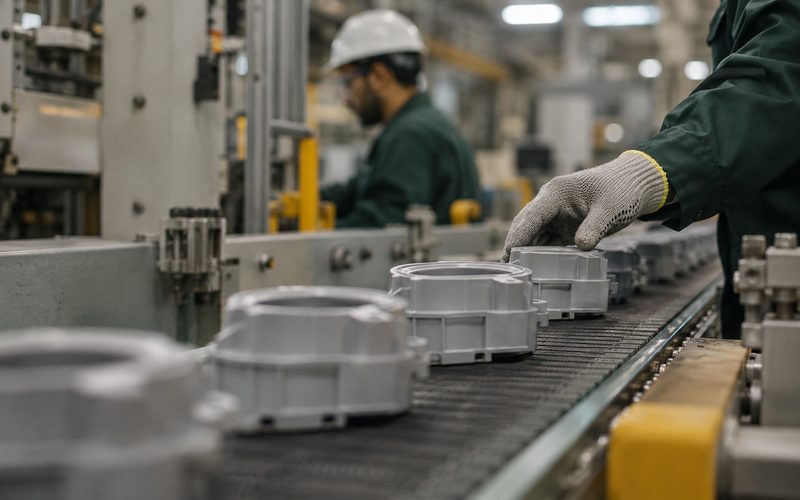
[Example project TBC]
[Funder, scope and outcome, anonymised]
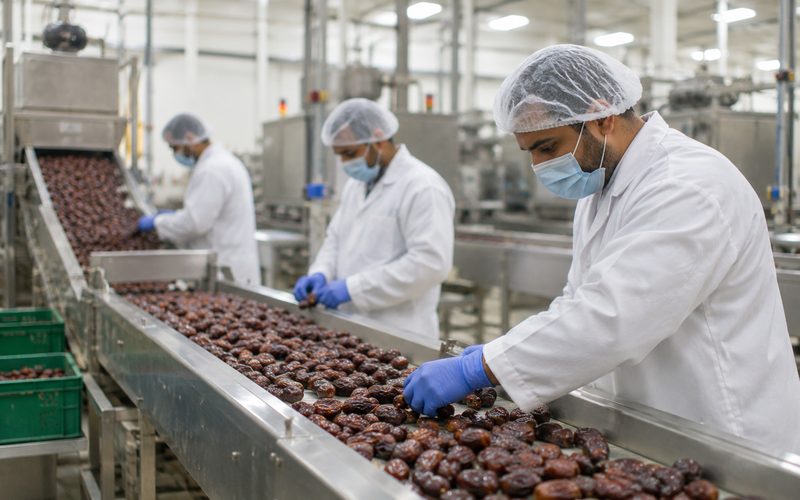
[Example project TBC]
[Funder, scope and outcome, anonymised]
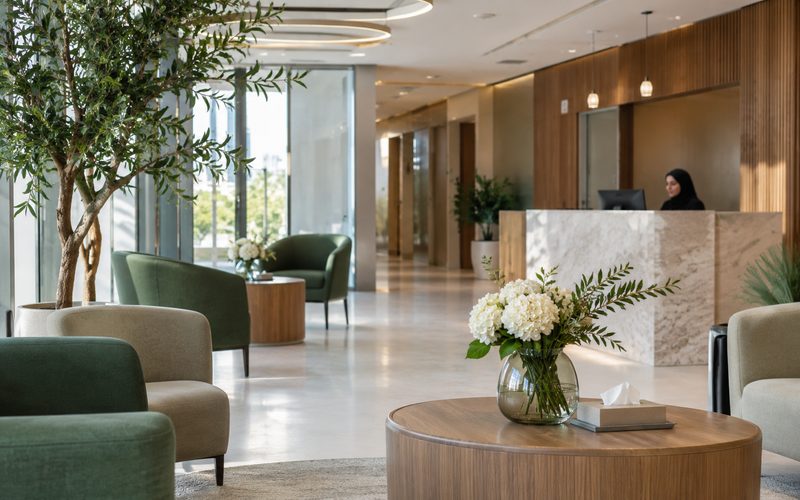
[Example project TBC]
[Funder, scope and outcome, anonymised]
Sectors we cover
Most of our work sits where the Kingdom's development funds lend: industry, food security, health, logistics, tourism and energy.
Manufacturing and industry
Building materials, chemicals and plastics, metals, packaging, auto parts and other factory projects, usually heading for SIDF or an industrial licence.
Food, agriculture and aquaculture
Poultry, dairy, greenhouses, fish and shrimp farming, and food processing, for ADF, SIDF or bank finance.
Healthcare and pharmaceuticals
Clinics and day-surgery centres, medical consumables and pharmaceutical manufacturing, where licensing shapes the numbers.
Logistics and warehousing
Cold stores, warehousing, fleet and last-mile operations, which SIDF also finances.
Tourism and hospitality
Hotels, resorts, serviced apartments and tour operators, often heading for TDF support or bank co-lending.
Energy services and renewables
Energy-efficiency, solar and energy-services projects, where tariffs, offtake and technology risk carry the model.
How an engagement runs
Scoping call
We agree the funder, the scope and what you already have, then send a fixed quote.
Data and fieldwork
Market research, supplier quotes and site information, gathered in the Kingdom.
Model, then study
You see the model before the narrative is finished, so the numbers drive the text.
Funder questions
We answer the relationship manager's follow-up questions and revise the file.
Tell us about the project
A few lines is enough. We'll come back with questions and a time for a scoping call.
Email hello@saudifeasibilitystudies.com
WhatsApp send us a message